
2025: Health infrastructure dismantled, globally
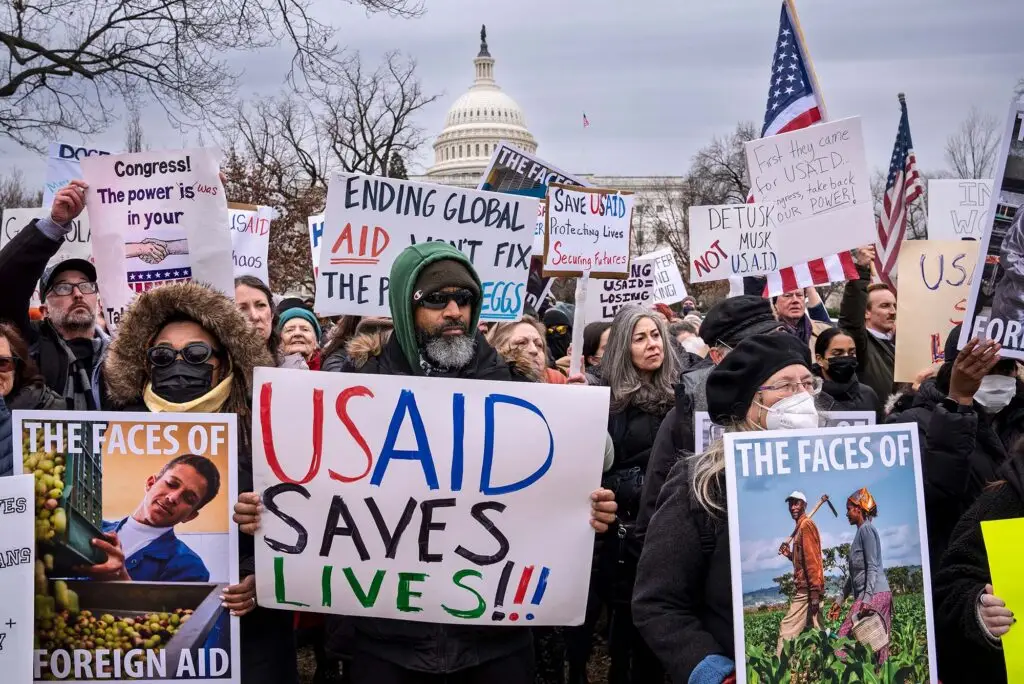
The U.S. gutted its global health funding and domestic public health infrastructure simultaneously — cutting CDC, USAID, and HHS programs that communities in both the U.S. and Africa had relied on for decades. The case for locally-led, self-sustaining health leadership has never been clearer.
2024: Climate-driven crises, Southern Africa

The combined effects of El Niño and accelerating climate change produced unprecedented drought across Southern Africa, driving food insecurity, waterborne disease, and malnutrition. Health workers on the ground lacked the tools and training to respond sustainably.
2020-2022: COVID-19 pandemic
Leadership and policy failures during the pandemic added hundreds of billions in incremental costs. In the U.S., COVID-19 mortality rates were 2- 4x higher among BIPOC than white Americans. Countries that fared better shared one thing: local leaders with training, networks, and institutional backing to act quickly.
2016: Flint Water Crisis, U.S.

In Flint, Michigan, a leadership and accountability failure exposed predominantly Black residents to lead-contaminated water for over a year. The crisis laid bare how the absence of empowered, proximate leaders in public health systems puts the most vulnerable communities at greatest risk.