
Changing the who and the how of health leadership drives transformation.

From Kampala to Dallas, from Blantyre to New York City, dedicated professionals are keeping health systems functioning, often meeting immense needs with limited resources. They need our support now more than ever.

Fragmented coordination and the absence of supported local leaders turned a containable outbreak into a regional crisis. Over 11,000 people died — many deaths attributable not to lack of medicine, but to weak leadership infrastructure and delayed response.
In Flint, Michigan, a leadership and accountability failure exposed predominantly Black residents to lead-contaminated water for over a year. The crisis laid bare how the absence of empowered, proximate leaders in public health systems puts the most vulnerable communities at greatest risk.

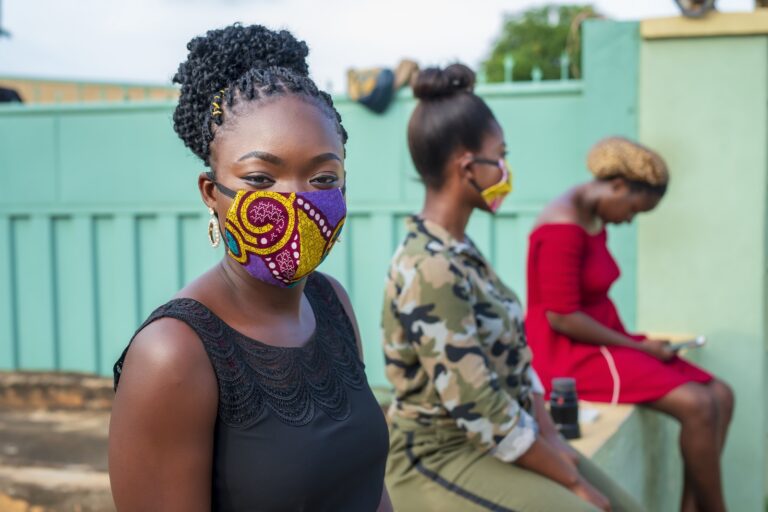
Leadership and policy failures during the pandemic added hundreds of billions in incremental costs. In the U.S., COVID-19 mortality rates were 2- 4x higher among BIPOC than white Americans. Countries that fared better shared one thing: local leaders with training, networks, and institutional backing to act quickly.
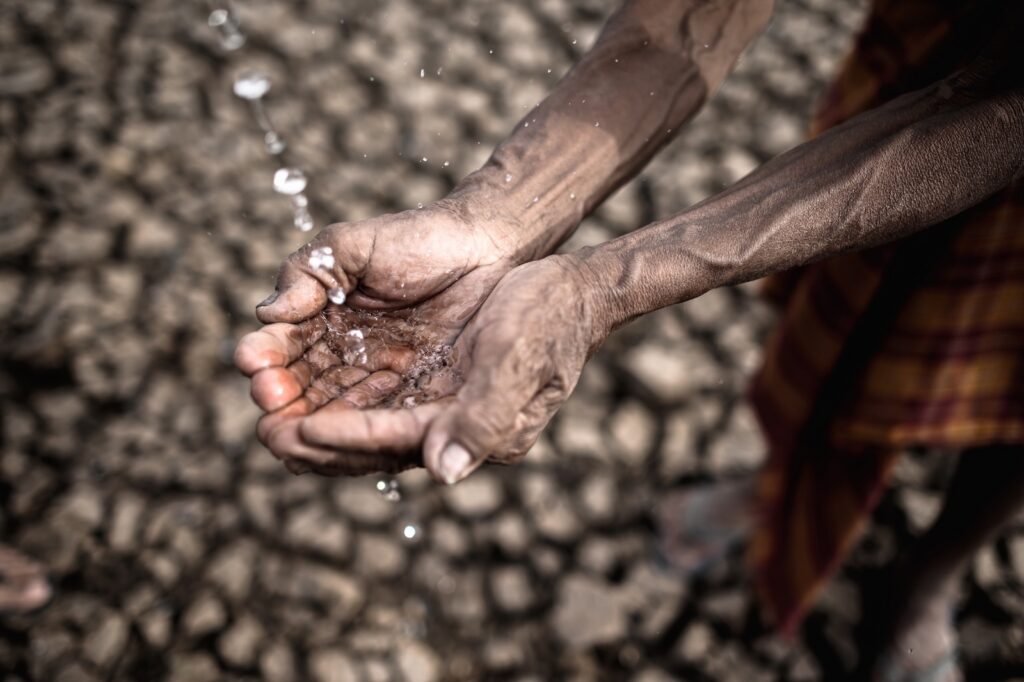
The combined effects of El Niño and accelerating climate change produced unprecedented drought across Southern Africa, driving food insecurity, waterborne disease, and malnutrition. Health workers on the ground lacked the tools and training to respond sustainably.
The U.S. gutted its global health funding and domestic public health infrastructure simultaneously — cutting CDC, USAID, and HHS programs that communities in both the U.S. and Africa had relied on for decades. The case for locally-led, self-sustaining health leadership has never been clearer.
The health challenges we face don’t yield to a single solution or a single kind of expert. They require adaptable people who can navigate complexity, build coalitions, and make decisions in real time — across sectors, across borders, and under pressure.
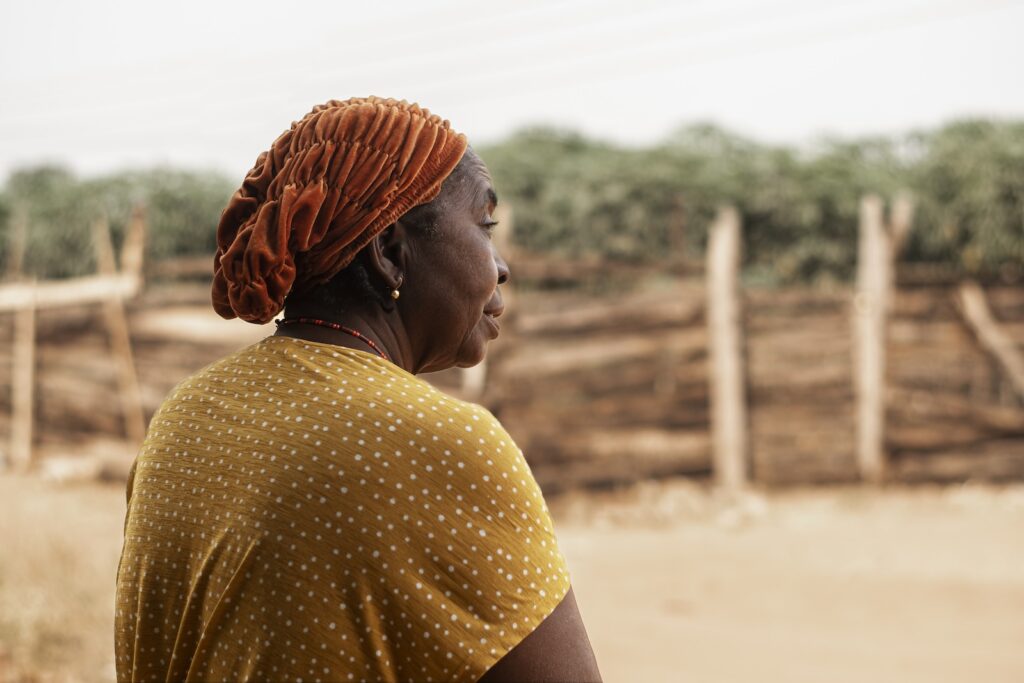
In the U.S., Black, Indigenous, and other communities of color face structural barriers that prevent proximity and passion from translating into influence and policy. Across Malawi, Rwanda, Uganda, and Zambia, emerging professionals navigate underfunded institutions and limited mentorship, slowing their path from early-career potential to sustained systems leadership.
The leadership gap isn’t about who’s missing from the table. It’s about who’s been kept from it and what it would take to change that.
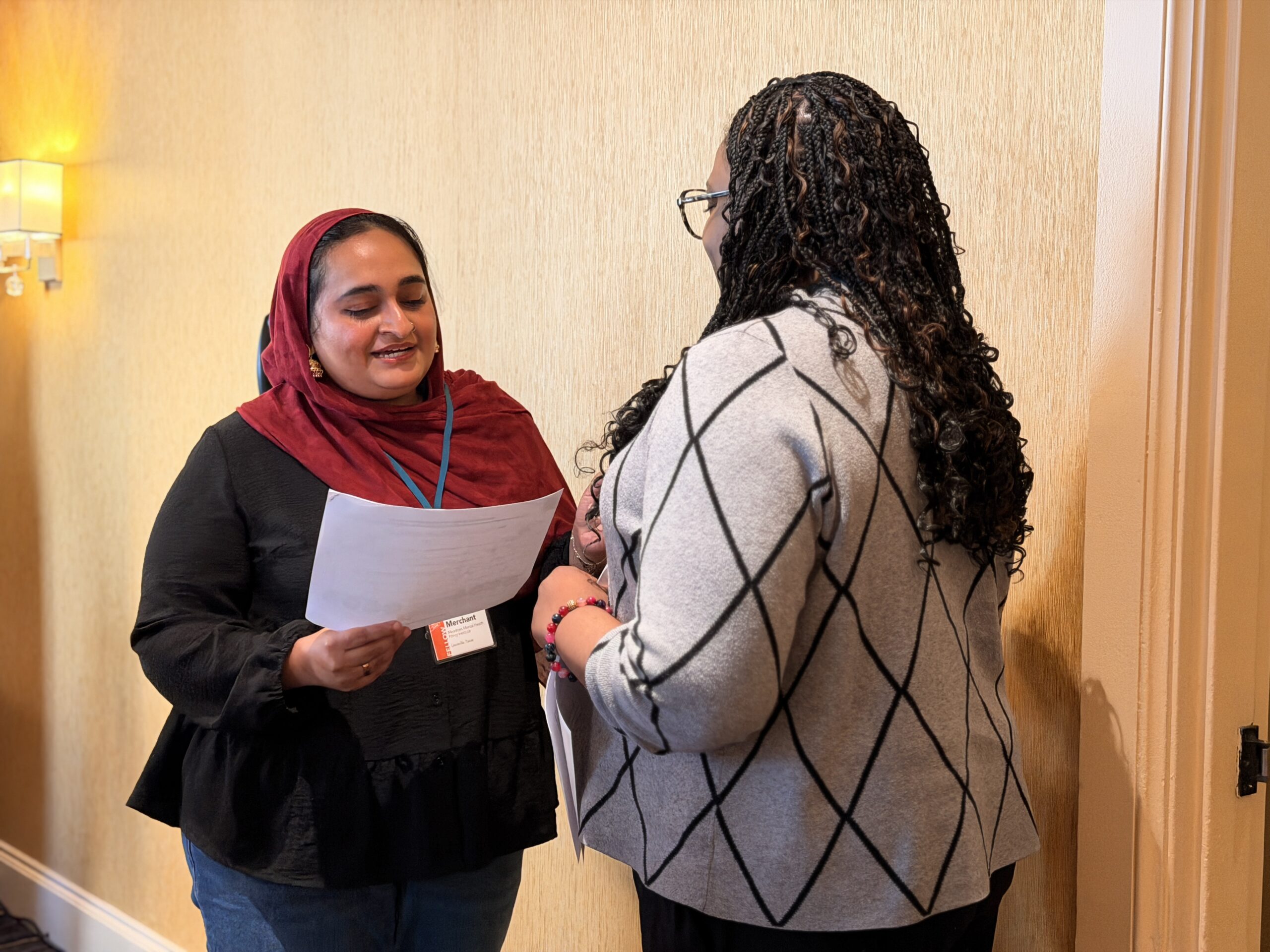
Despite clear evidence that investing in leaders strengthens systems, reduces burnout, and accelerates change, leadership development remains one of the most overlooked line items in health funding — on both sides of the Atlantic. Most training is episodic, siloed, or inaccessible to early-career professionals. When budgets get cut, it’s usually first to go.
That reflects a long-held assumption that leadership is too soft to measure, too slow to attribute to outcomes. That assumption is wrong — and it is costing lives on both sides of the equation.
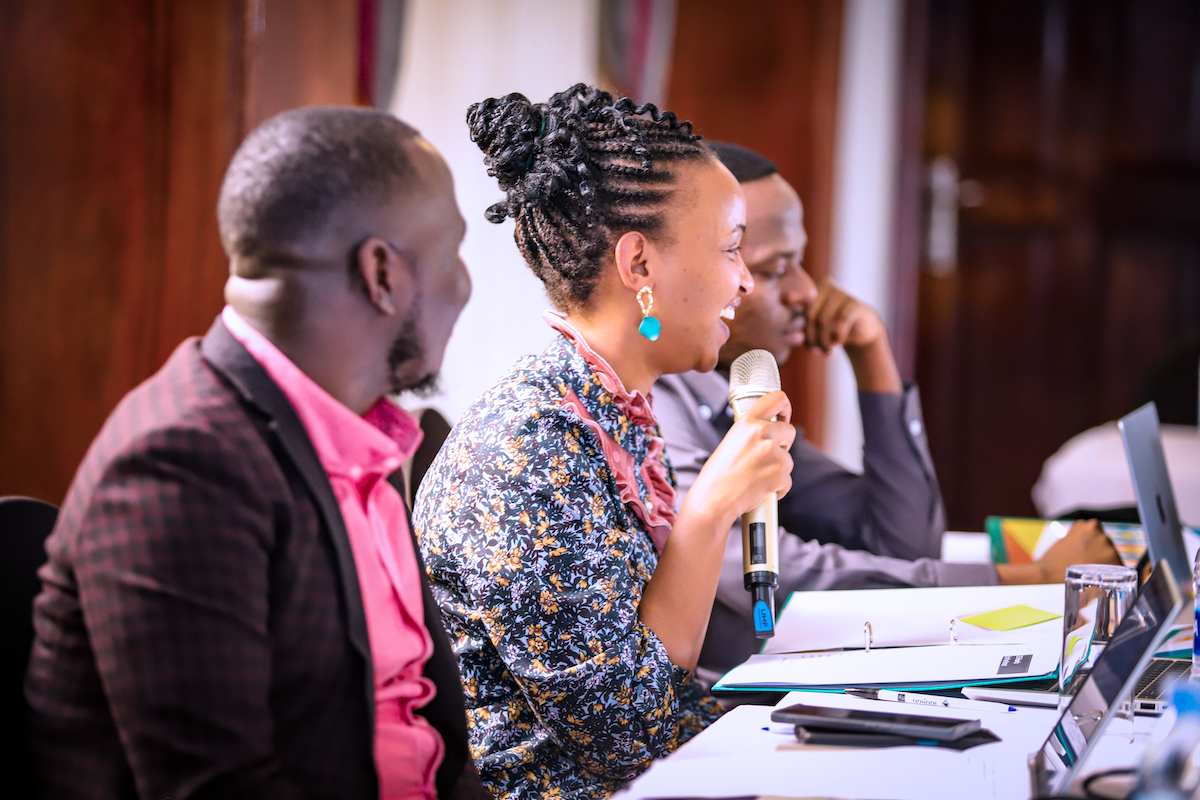
Transformational leadership in health settings means fewer errors, lower turnover, and better patient outcomes. In Kenya, leadership training programs improved health service delivery for six months or more after the program ended. This isn’t a soft impact. It shows up in the data.
Fellows who complete exclusively technical global health programs consistently lack skills in ethics, health equity, and adaptive leadership. Specific competencies — working with limited resources, making sound investment decisions — are statistically significant predictors of organizational sustainability. And short-term programs rarely stick. Structured, sustained investment does.
Leadership doesn’t scale in isolation. Networking predicts NGO performance. Alumni networks increase civic engagement and policy influence long after formal programs end. One leader, well-connected, reaches further than ten working alone.
Updating how people work — and the skills they bring — matters as much as new technology in building organizational resilience. The institutions best equipped to navigate uncertainty aren’t the ones with the most resources. They’re the ones with leaders who know how to use them.
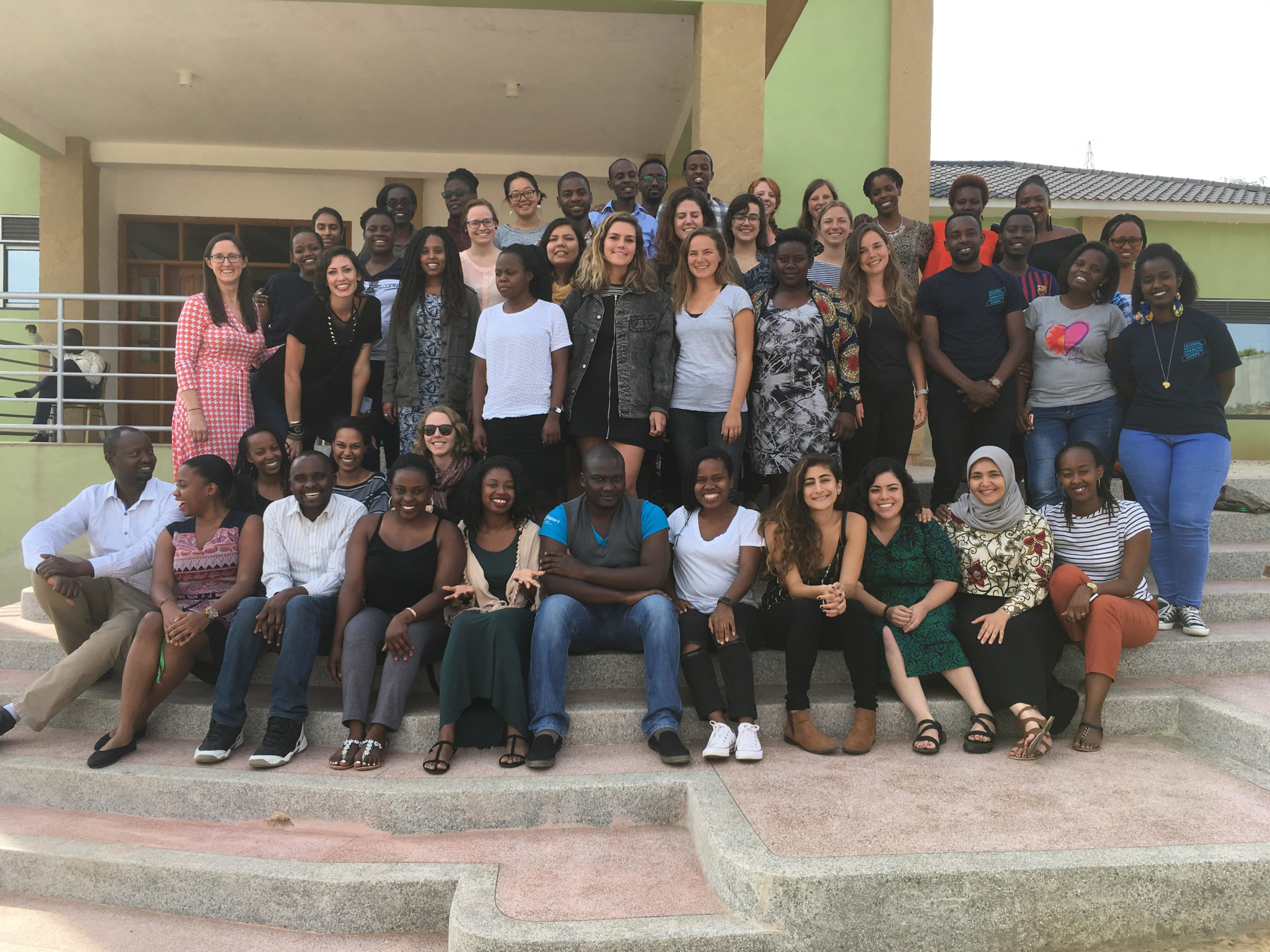
Since 2009, we’ve operated from a simple belief: leadership is the most powerful lever for change in global health. Emerging leaders need the tools, networks, and sustained support to transform systems.
We equip early- and mid-career professionals in Malawi, Rwanda, Uganda, Zambia, and across the U.S. — people already embedded in the institutions and communities where change has to happen.