

64 emerging leaders. 5 countries. 2 cohorts.
One shared commitment to advancing health equity.
Say hello to our newest cohort of Leadership Accelerator fellows: 32 across the U.S. and 32 across East and Southern Africa. Each fellow was selected for their leadership potential and their drive to advance health equity where they live and work.
Each Leadership Accelerator follows its own tailored program, building the skills, relationships, and mindsets to move change forward within fellows’ distinct health landscapes. The U.S. Leadership Accelerator and the Africa Leadership Accelerator run separately by design, but the cohorts come together at key moments to trade lessons, share experience, and build a movement for health equity with a global reach.
Where Fellows Are Making an Impact
Throughout the fellowship and beyond, GHC equips fellows with new skills and frameworks to deepen their impact on some of the most pressing health challenges facing their communities in Malawi, Rwanda, Uganda, the United States, and Zambia.
Sexual and reproductive health. Advancing community-led menstrual health and SRHR programming for adolescents in post-conflict Northern Uganda at the Sauti Women Foundation. Expanding access to post-abortion care for young women in Lake Victoria’s island communities at the Community Concerns Uganda Initiative.
Mental health. Building peer-led, stigma-free mental health support outside traditional medical settings at The Circle Kigali in Rwanda. Expanding veteran and military family mental health care across Texas hospital systems at the Meadows Mental Health Policy Institute. Developing overdose prevention infrastructure, including public health vending machines dispensing free naloxone resources, at Dallas County Health and Human Services.
Community and rural health. Improving equitable HPV vaccination coverage across underserved Malawian districts at Clinical Research Education and Management Services (CREAMS). Strengthening care quality across more than 35 federally qualified health centers at the Health Federation of Philadelphia.
Climate and planetary health. Building climate-resilient health systems for vulnerable communities through Malawi’s Ministry of Health & Sanitation. Translating planetary health research into city and global policy at the Johns Hopkins Institute for Planetary Health.
Maternal health. Closing gaps in emergency referral transport that drive maternal and neonatal mortality in rural Malawi at Last Mile Health. Confronting the Black maternal health crisis through community doula partnerships at the DuPage County Health Department.
GHC’s Leadership Competencies in Practice
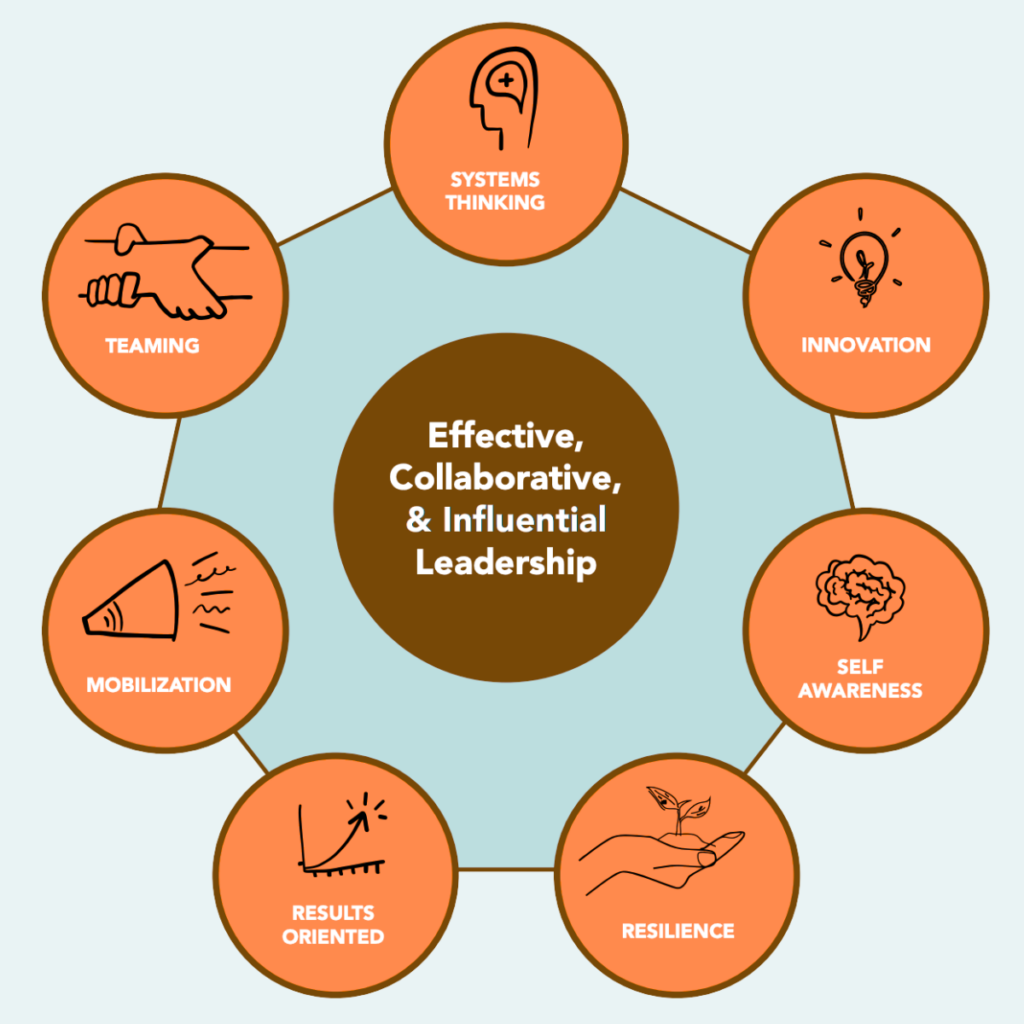
Over the next nine months, fellows will develop seven leadership competencies that shape how they show up in their organizations and communities: systems thinking, innovation, self-awareness, resilience, results orientation, mobilization, and teaming.
These seven competencies show up in how fellows run teams, manage relationships, navigate setbacks, and push systems to work better for the people they serve.
Systems thinking. Fellows learn to see how the pieces of a health challenge connect: the policies, institutions, funding streams, and community dynamics that shape outcomes. That perspective helps them identify where their work can create the most leverage.
Self-awareness. Strong leaders know their strengths, their blind spots, and how their leadership style lands with the people around them. Fellows develop that self-knowledge as a foundation for everything else.
Resilience. This work is hard and often slow. Fellows build the capacity to sustain themselves and their impact through setbacks, uncertainty, and the long timelines that health equity demands.
Results orientation. Vision matters, but so does execution. Fellows sharpen their ability to translate big goals into measurable progress and hold themselves accountable for outcomes.
Mobilization. Health equity takes more than individual effort. Fellows practice rallying people, resources, and political will toward shared goals.
Teaming. Fellows learn to build trust and collaboration across difference: across disciplines, geographies, organizational cultures, and lived experiences.
GHC tracks growth across all seven competencies with assessments at the start, middle, and end of the fellowship, for both fellows and their supervisors. The results speak for themselves:
93%
of fellows said the program amplified their professional achievements.
100%
of supervisors said fellows were positive or critical to organizational success.
85%
of fellows assumed greater leadership roles during the fellowship.
Voices of the 2026-2027 Fellows

“Alongside communities navigating the dual burden of disease and climate-related shocks, including floods that disrupt access to essential healthcare, I support patients, families, and frontline health workers to translate their experiences into evidence, community-led solutions that strengthen health equity, resilience, and sustainable health systems.”
Matamando Mwendera, Neno District, Malawi Research Officer, Partners In Health Malawi/Abwenzi Pa Za Umoyo
“Community members are the most essential piece of the solution puzzle we assemble. I witnessed firsthand how health systems can fail the very people they are designed to serve. Working across eight countries, I see that engaging community members while designing solutions for them results in better trust, uptake of these solutions, and better outbreak preparedness and response.”
Efrance Karungi, Kampala, Uganda, Global Programs Assistant at VillageReach
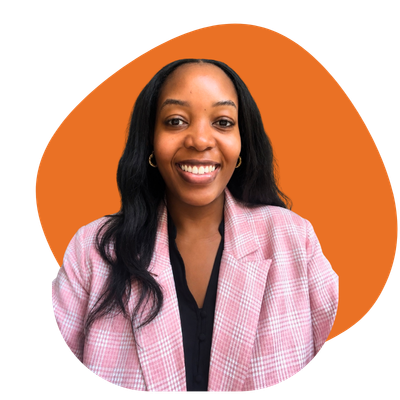
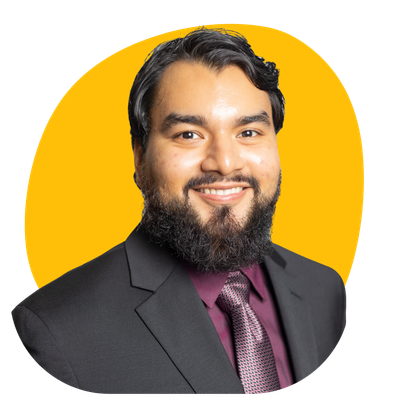
“Through my work with the American Heart Association, I feel deeply connected to low- income and first-generation communities, as well as racially and ethnically diverse communities that are most impacted by heart disease and stroke. This work is personal to me because it creates opportunities to listen, build trust and help remove barriers so more people can live longer, healthier lives.”
Ezra Batista, Dallas, TX, Project Coordinator at American Heart Association
“Through my work with farmers and communities, I strive to bridge the gap between science and everyday practice so that health and nutrition interventions are equitable and accessible to those who need them most.”
Delphine Iraguha, Kigali, Rwanda, Food Scientist at Aflakiosk
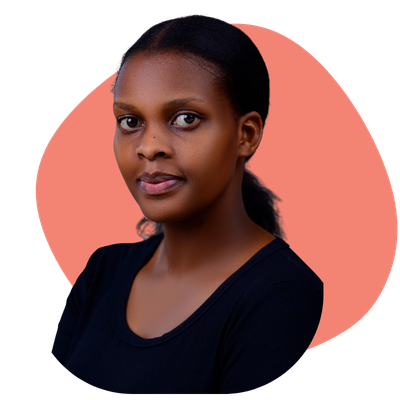
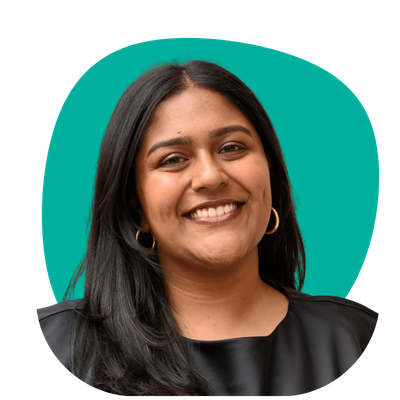
“I work with teens across NYC to advance a culture of inclusivity in public health that moves past gatekeeping on the basis of academic achievement, and towards a future where anyone passionate about joining the field has the support and resources to do so.”
Visesha Ainapudi, New York, NY, Health Education Specialist at Mount Sinai Health System
“I believe every outbreak investigation is ultimately a question of equity: who gets sick, who gets counted, and who gets left out of the response. My work, from tracing a cholera mortality policy brief to cross-border measles investigations in rural districts, is driven by closing those gaps.”
David Simatyaba, Lusaka, Zambia, Resident Field Epidemiologist at Zambia National Public Health Institute

Both programs kicked off with a virtual convening on September 10th. The fellows will meet in person next month at their respective Leadership Conferences in Lusaka, Zambia and Dallas, Texas.