The Bridge Builder
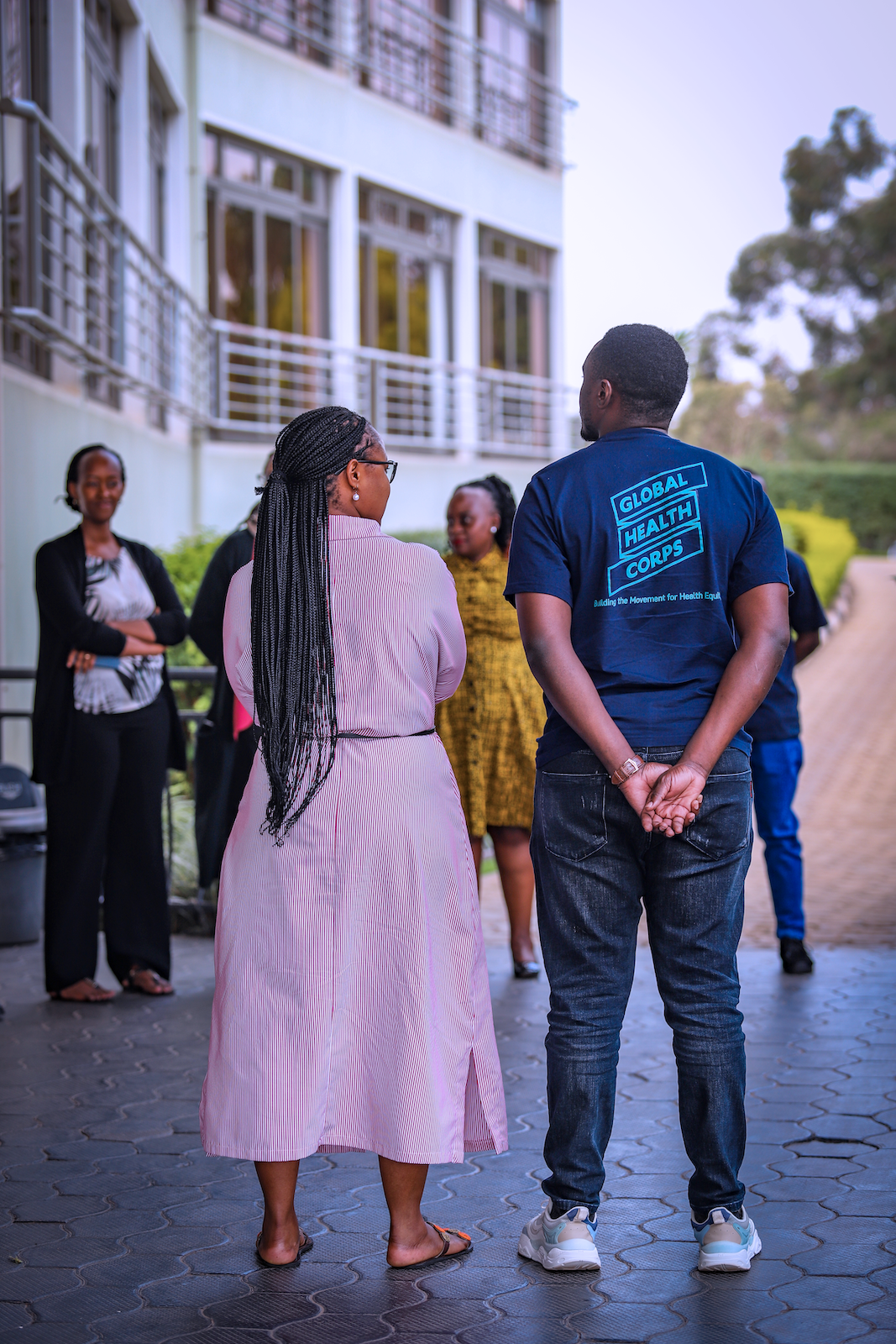
Alumna Precious Mutoru forges strategic partnerships across Uganda’s public and
Nearly two decades of building what global health was missing.
We started in 2009 with 22 fellows working across East and Southern Africa and the U.S. Since then, our core belief in the power of leadership hasn’t changed. Now we have the results to prove it.
By centering women, Africans, people of color, and interdisciplinary professionals historically underrepresented in global health leadership.
By cultivating resilience, empathy, adaptability, systems thinking, and the ability to work across every kind of border.

Alumni leading across 40+ countries

Health organizations where our fellows and alumni work

Years of proven leadership development
Our data, which tracks alumni long after their fellowship year ends, proves this.
remain in the health sector beyond the fellowship, at 2x the rate of their peers.
hold mid- to senior-level leadership roles.
attribute part of their professional achievements in the last 12 months to GHC.
have collaborated professionally with at least one other GHC leader in the last 12 months.
have spoken at conferences, published writing, or participated in advocacy this past year.
report that GHC’s programs and network enhance their impact at work.
are working at an organization with another alum — multiplying collective impact across our network.
When we invest in one GHC leader, we’re also investing in every person they’ll mentor, every policy they’ll shape, and every system they’ll transform throughout their career. That’s the ripple effect.
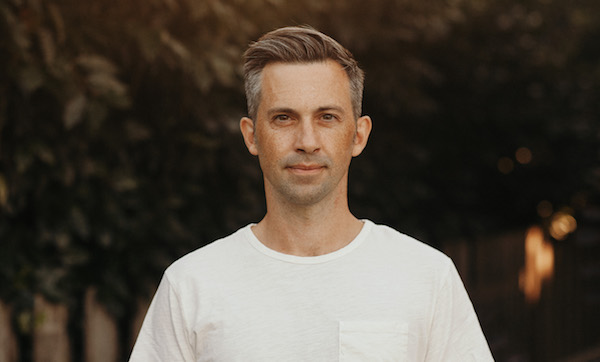
GHC fellow turned founder. Bryan built BME Strategies, led Ebola response with Partners In Health across Sierra Leone, Liberia, and Boston and hired GHC alumni at every stage. Now he sponsors fellows from his own team.
GHC’s evidence-based framework* identifies seven interconnected skills that form the foundation for leadership that is effective, collaborative, and influential.
They work together by design. A leader with systems thinking but without teaming skills can diagnose problems but struggle to implement solutions. A leader skilled in mobilization but lacking self-awareness may replicate the very power dynamics they’re trying to dismantle.
Building trust and working effectively across differences
Navigating change, managing ambiguity, and building resilience.
Inspiring others and mobilizing action through storytelling
Setting goals, making decisions, and navigating complexity
Centering marginalized voices and dismantling inequitable systems
Analyzing complex systems and identifying leverage points for change
Understanding your strengths, blind spots, and the impact you have on those around you.
*Starting with the 2025–2026 cohorts, GHC tracks fellow development across all seven competencies using an adapted Kirkpatrick Model — measuring growth in knowledge, attitudes, and practice through baseline, midline, and endline assessments with both fellows and their supervisors.
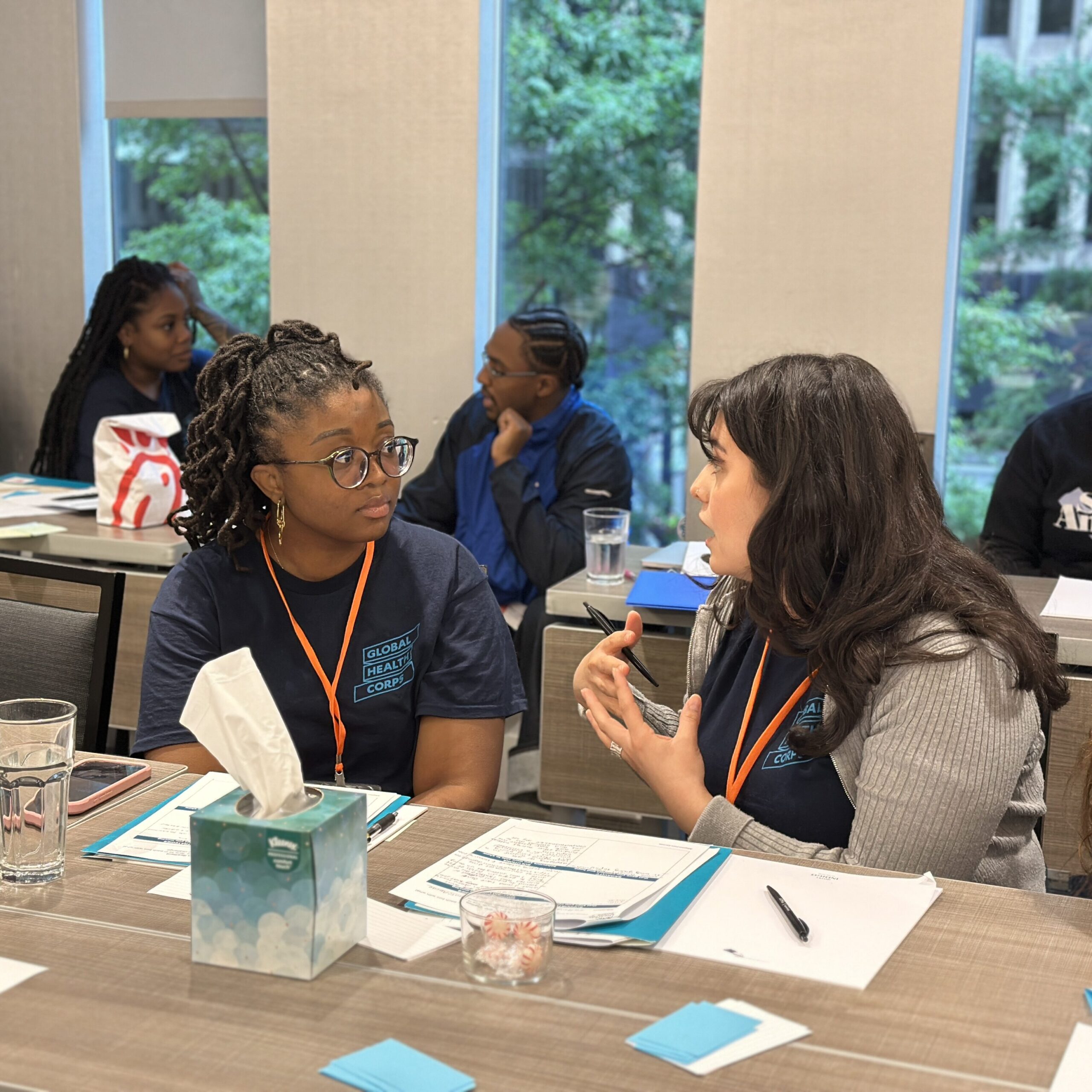
We identify rising stars already working in public health and give them what they rarely get: sustained investment. Nine months of intensive development — followed by a lifetime of access to the GHC community, resources, and network.
Fellows are competitively selected from across the U.S., Malawi, Rwanda, Uganda, and Zambia — early- and mid-career professionals already working full-time in non-clinical public health roles. They don’t leave their jobs––they bring the program directly into their work, applying new frameworks and skills in real time.
of fellows reported increases in key leadership competencies
of supervisors confirmed fellows were positive or critical to organizational success
of fellows assumed greater leadership roles during the fellowship itself
When the nine months end, the real investment begins. Fellows don’t graduate out of GHC — they grow into it.
Upon completing the Leadership Accelerator, fellows join a global alumni community of 1,300+ leaders across 40+ countries. They gain lifelong access to professional development, mentorship, peer resource groups, regional chapters, and collective action coalitions. The program adapts to where leaders are in their careers, not just where they started.
of alumni remain in global health — 2x the rate of their peers
of alumni collaborate professionally with at least one other GHC leader annually
of alumni have spoken, published, or participated in advocacy this past year
As GHC alumni rise into senior-level, decision-making roles, the investment multiplies. They hire fellow alumni. They nominate colleagues for fellowships. They shape policy, build institutions, and pass the ethos of the network forward to the next generation of health leaders.
GHC alumni don’t just respond to crises. Because they’re already embedded in the communities they serve, they see them coming

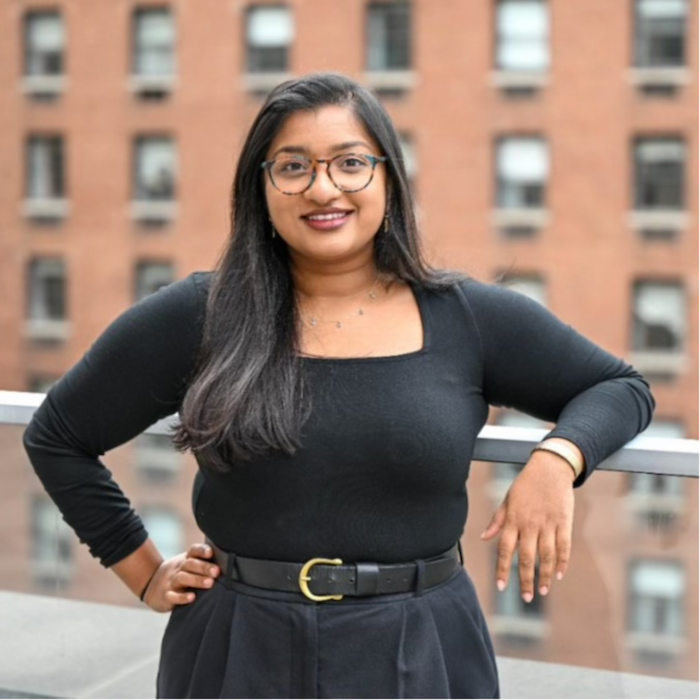
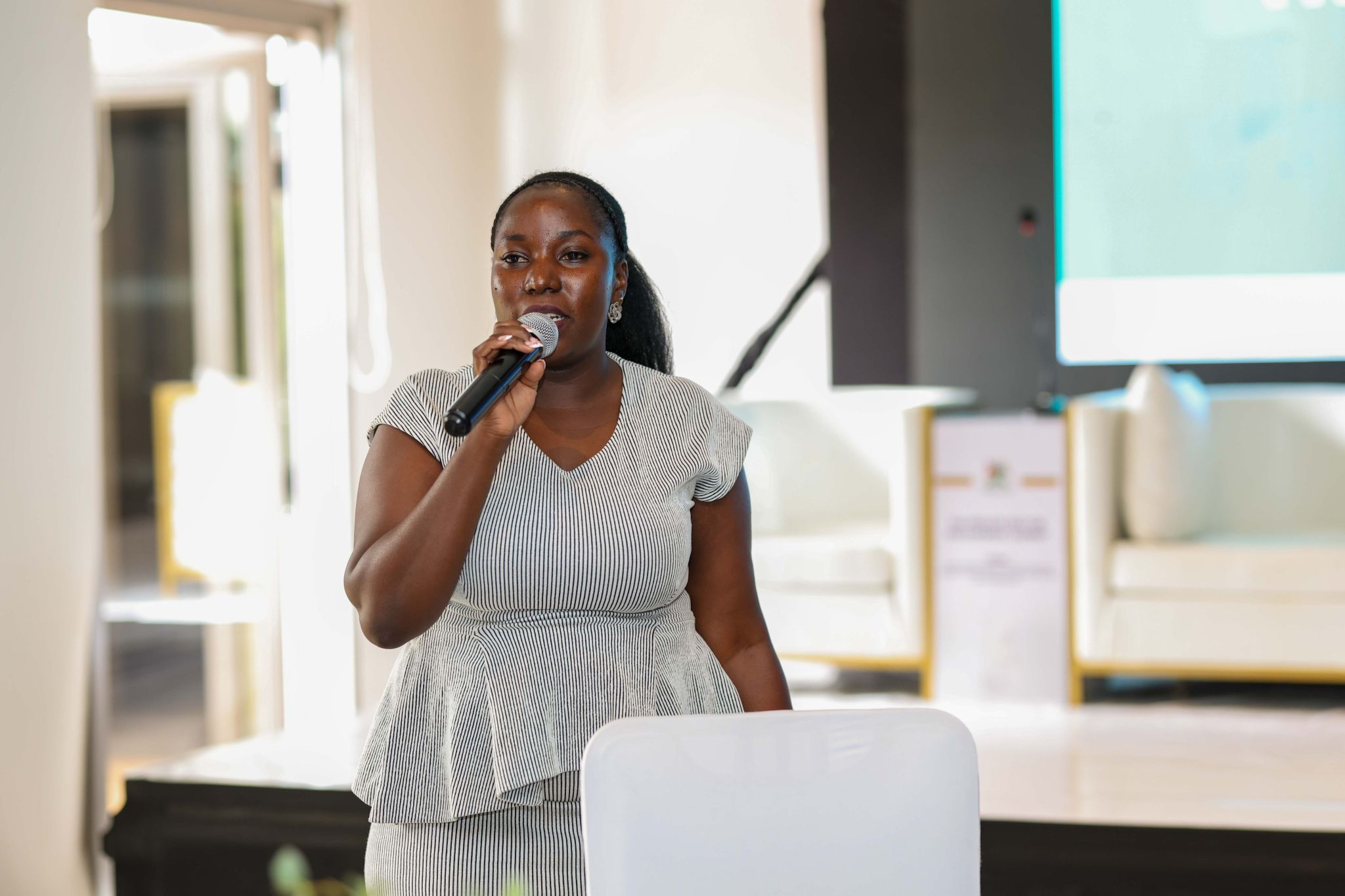
Alumna Precious Mutoru forges strategic partnerships across Uganda’s public and

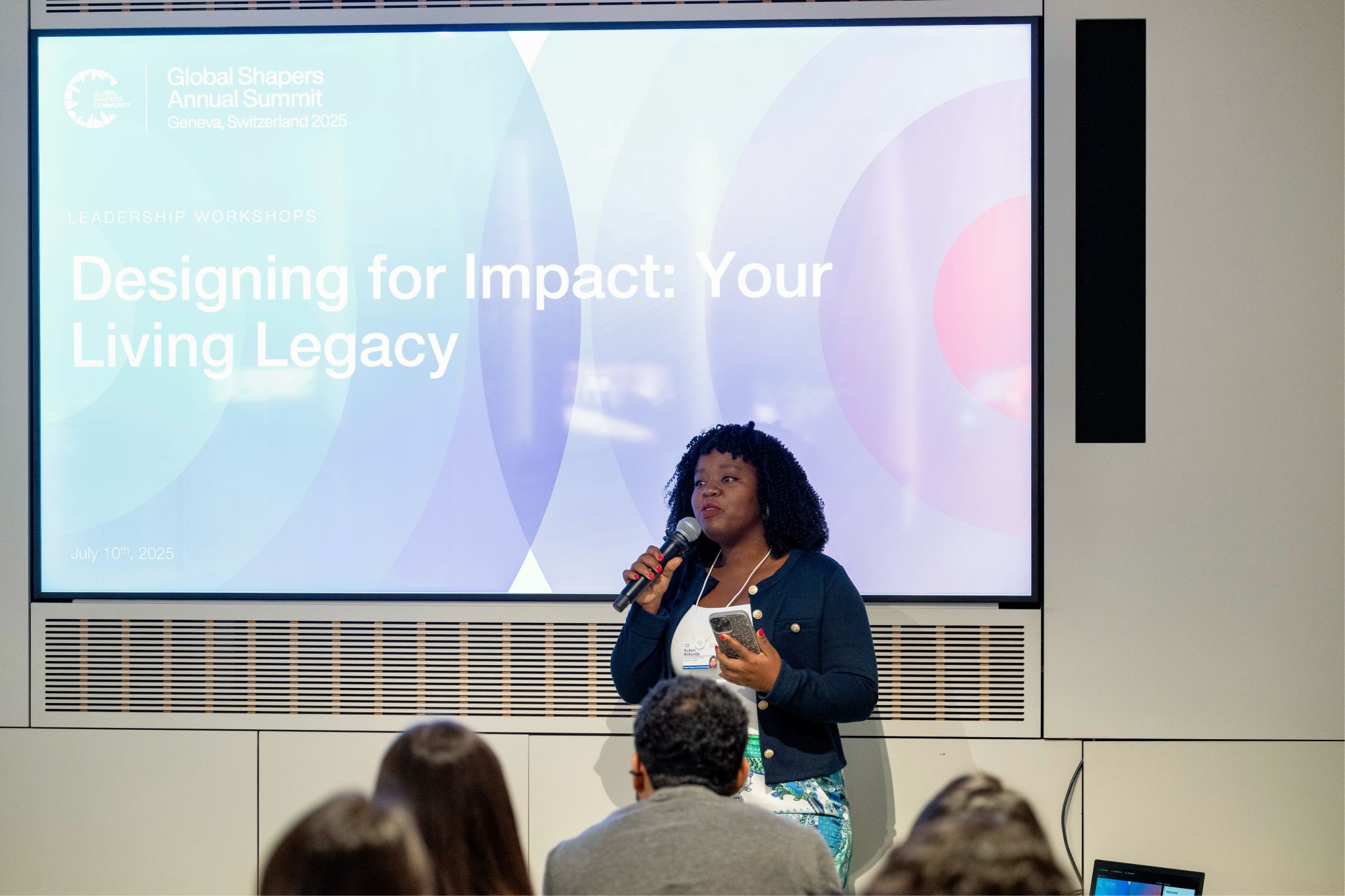
Kullein Ankunda bridges climate policy, refugee response, and public health

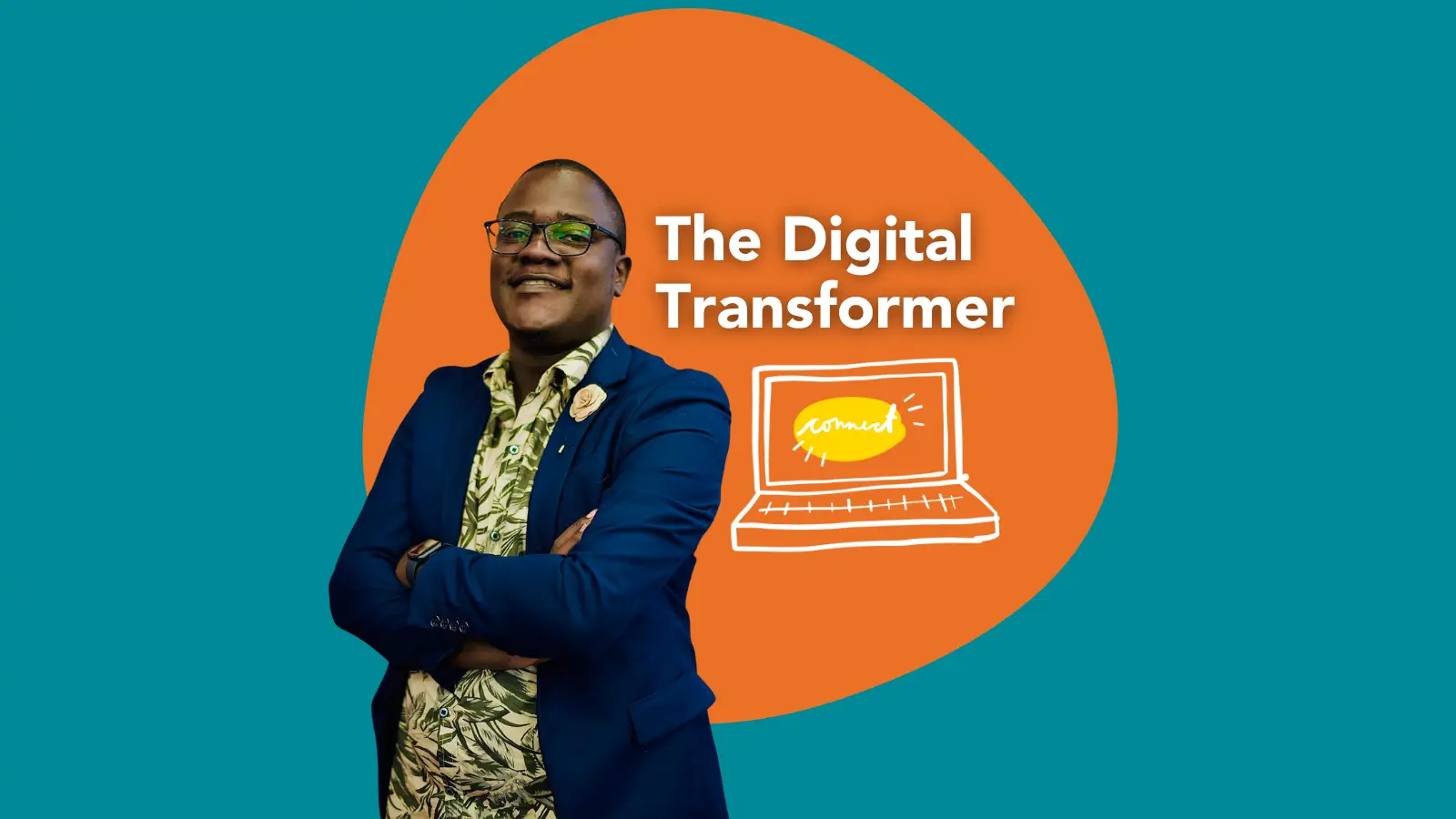
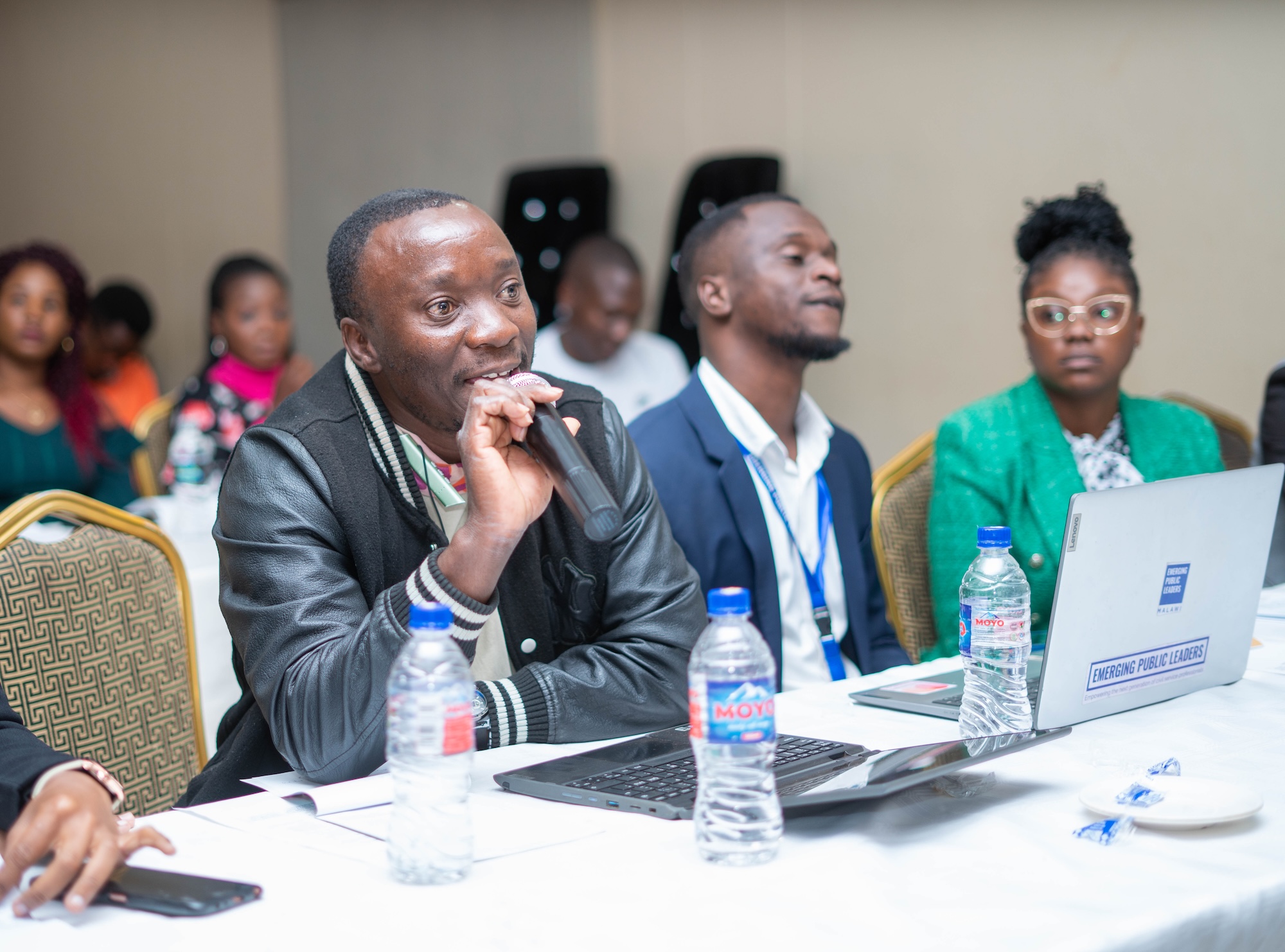
Alum Chisha Chola harnesses AI and digital tools to transform public